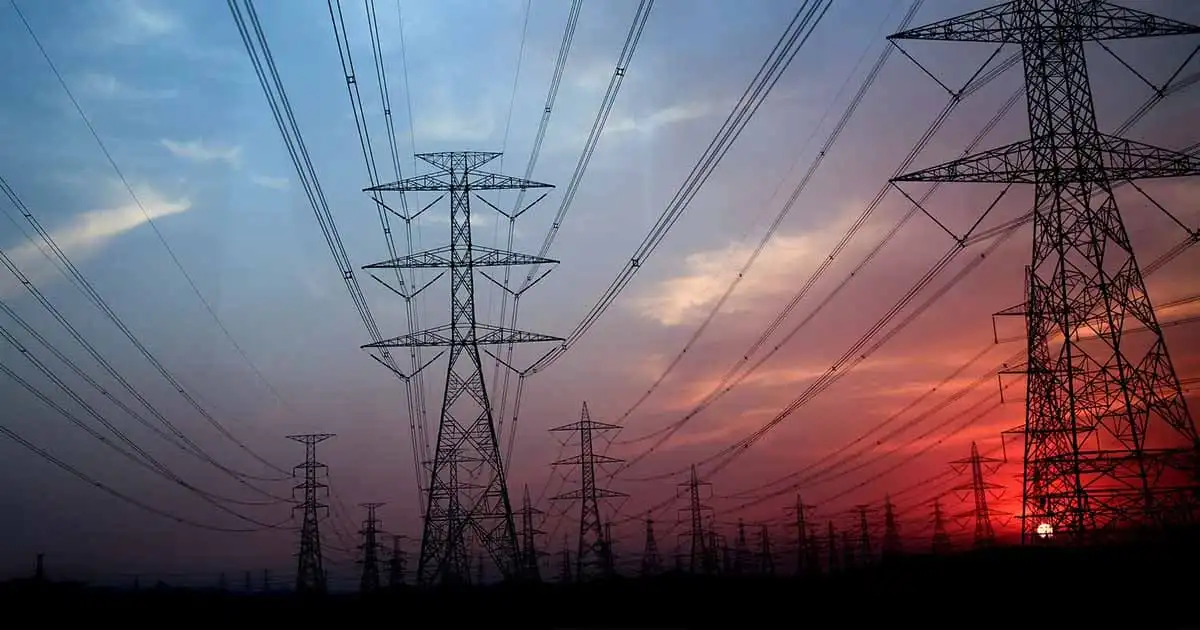
BOSTON – The federal agency that regulates organizations operating wholesale energy markets has ordered ratepayers in New England to receive around $900 million in refunds and over $100 million in annual savings in the future.
The Federal Energy Regulatory Commission (FERC) ordered ISO New England (ISO-NE), a non-profit organization responsible for operating the high-voltage power grid and wholesale electricity markets across all six New England states, to cut its return on equity, the profits earned on transmission investments in the region, a full percentage point, from 10.57 percent to 9.57 percent. FERC’s decision applies retroactively to 2014, which causes the refunds.
The PPL Corporation, which operates Rhode Island Energy as a subsidiary, said it is evaluating a possible appeal with other energy providers in the region.
This decision by FERC began in 2014, when it issued a ruling cutting the rate from 11.14 percent to 10.57 percent. Energy companies Emera Maine, National Grid, Eversource Energy, Central Maine Power Company, United Illuminating Company and Vermont Transco LLC challenged FERC’s ruling in federal court. Consumer advocates also joined the suit, but argued the rates set by FERC were still too high.
In 2017, the court vacated FERC’s ruling.
FERC has since engaged in a long process to redefine its methodology and rate setting formulas. In 2024, a court vacated parts of FERC’s new method, leading to further adjustments. It settled on a new composite model in 2025.
In its new ruling, FERC applied its new methodology to find that, as consumer advocates said in 2014, the previous 10.57 percent rate was “unjust.”
Former Massachusetts Attorney General Martha Coakley led filing of the case on behalf of multiple attorneys general. Current Massachusetts Governor Maura Healey became attorney general in 2015 and supported the case on behalf of Massachusetts. They argued that FARC’s rate setting methods were flawed and resulted in unjustifiably high costs for consumers.
“People’s energy costs are far too high, and we fought for a long time in this case to lower people’s bills,” said Governor Healey in a statement on Friday, March 27. “This decision makes clear that utilities should not be allowed to make exorbitant profits on the backs of ratepayers, and that those profits should go back in people’s pockets where it belongs.”